The Growing Importance of Tire Retreading in the Commercial Trucking Industry

Tire management plays a pivotal role in maintaining operational efficiency and controlling costs in the commercial trucking industry, where fleets cover thousands of miles each year. With the rising cost of new tires and increased pressure to meet sustainability goals, tire retreading is becoming an increasingly popular solution for fleet operators.

Tire retreading extends the life of commercial tires, reduces waste, lowers costs, and contributes to a more sustainable supply chain. As technology advances and industry regulations evolve, retreading is no longer just an alternative—it’s becoming a strategic necessity for commercial trucking companies.

What Is Tire Retreading?

Tire retreading is the process of replacing the worn tread of a tire with a new layer of rubber, allowing the tire to be reused. The tire casing remains intact, while the tread—the part that makes contact with the road—is replaced, giving the tire a second (or even third) life.

The retreading process includes:

Inspection: The casing is thoroughly examined for defects and structural integrity.
Buffing: The worn tread is removed, leaving a smooth surface.
Application of New Tread: A new layer of rubber is applied using either the precure or mold cure process.
Curing and Vulcanization: The tire is heated to bond the new tread to the casing.  Retreaded tires offer nearly the same performance, durability, and safety as new tires—at a fraction of the cost.

Why Tire Retreading Is Gaining Popularity

The trucking industry is increasingly recognizing the value of tire retreading due to several factors:

1. Cost Savings and Increased ROI

For fleet operators, managing operational costs is paramount. New commercial tires can be expensive, and the price can be staggering when multiplied across an entire fleet. However, Retreading a tire can be 40-50% cheaper than purchasing a new one.

Key Benefits:

Significant reduction in overall tire costs.
Extended lifespan of tire casings, reducing the frequency of tire replacements.
Lower cost per mile for fleets that implement retreading programs.

Pro Tip: Fleet operators can maximize ROI by incorporating regular inspections and maintenance to extend the life of the tire casing.

2. Environmental Sustainability and Reduced Waste

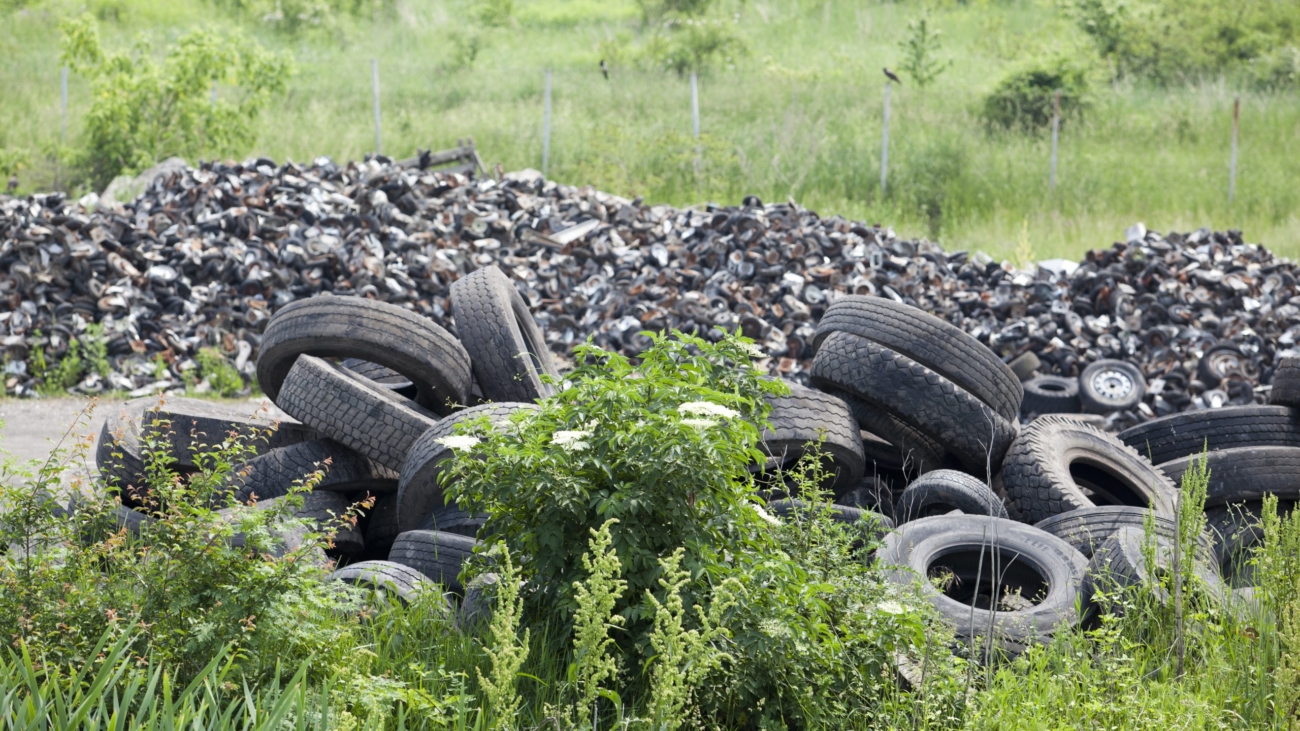
Sustainability has become a top priority across industries, and the trucking sector is no exception. Discarded tires contribute to landfill waste and environmental degradation. Retreading offers a sustainable alternative by reducing the number of tires discarded yearly.

Key Environmental Benefits:

Reduced Waste: Each retreaded tire prevents one less tire from being added to landfills.
Lower Carbon Footprint: Retreading uses 70% less oil and emits 30% fewer greenhouse gases than manufacturing new tires.
Resource Conservation: By extending the life of a tire casing, fewer raw materials are required.

Did You Know? According to the Environmental Protection Agency (EPA), retreading reduces waste by reusing nearly 90% of the original tire material, contributing to a circular economy.

3. Enhanced Performance and Safety Standards

Modern retreading processes leverage advanced rubber compounds and precision engineering to deliver performance and safety comparable to that of new tires. Fleet operators no longer need to choose between cost savings and safety—retreaded tires offer both.

Key Safety Improvements:

High-quality retreads provide similar traction and durability as new tires.
Rigorous quality control processes ensure that retreaded tires meet or exceed safety standards.
Advanced vulcanizing compounds used in retreading prevent heat buildup, reducing the risk of blowouts.

Pro Tip: Partnering with a reputable retread provider ensures fleet operators receive high-quality retreads that meet safety regulations.

4. Compliance with Industry Regulations

As governments push for greener transportation practices, regulations promoting tire retreading are gaining traction. Many government agencies and organizations now recognize retreading as a sustainable practice that helps reduce waste and emissions.

Key Regulatory Factors:

The Federal Motor Carrier Safety Administration (FMCSA) allows retreaded tires on drive and trailer axles, making them a compliant option for commercial fleets.
Several state and federal incentives promote retreading to reduce environmental impact.

Did You Know? The EPA’s SmartWay Program encourages using retreaded tires to help reduce fuel consumption and emissions in the trucking industry.

5. Technology Advancements in Retreading Processes

The retreading industry has embraced cutting-edge technology to improve retreaded tires’ safety, quality, and performance. New techniques, such as computer-controlled buffing and laser shearography for tire inspections, have revolutionized the process.

Key Technological Advancements:

Laser Inspection: Detects even the smallest internal defects, ensuring only high-quality casings are retreaded.
Automated Buffing and Application: Increases precision and consistency in the retreading process.
Advanced Rubber Compounds: Improves tread adhesion and longevity.

Pro Tip: Fleet operators should choose retreading partners that utilize state-of-the-art technology to ensure the highest quality retreads.

How Fleet Operators Benefit from Tire Retreading

For commercial trucking companies, incorporating a tire retreading program delivers long-term cost savings, improved safety, and environmental benefits. Here’s how retreading adds value to fleet operations:

Lower Total Cost of Ownership (TCO)

Retreading lowers fleet operators’ total cost of ownership by extending the life of tire casings and reducing the need for frequent replacements.

Sustainable Fleet Operations

Fleet managers can align with corporate sustainability goals by reducing waste and lowering carbon emissions through retreading.

Reduced Downtime and Increased Productivity

High-quality retreads ensure minimal disruptions due to blowouts or tire failures, keeping trucks on the road and operations running smoothly.

Improved Safety and Compliance

Fleet operators maintain compliance with federal safety regulations while ensuring that their vehicles are equipped with reliable, road-ready tires.

Best Practices for Implementing a Retreading Program

To maximize the benefits of tire retreading, fleet operators should:

Inspect Casings Regularly: Ensure that tire casings are properly maintained and defect-free.
Partner with Trusted Retread Providers: Choose retreaders who adhere to stringent quality standards and use advanced technology.
Monitor Retread Performance: Track retreaded tire performance and adjust maintenance schedules accordingly.

Retreading Is the Future of Fleet Tire Management

Tire retreading offers a win-win solution as the commercial trucking industry navigates rising costs and increased environmental accountability. Fleet operators who embrace retreading reduce operational expenses and demonstrate a commitment to sustainability and safety.

marka_technologiczna_pracujaca_n

Maximizing Employee Wellness Program Participation

Motivating employees to participate in wellness programs can be one of the toughest challenges faced by wellness professionals. Success lies in understanding your audience, listening to their needs and offering various forms of encouragement for participation. Balancing work life with leisure has long been acknowledged as essential for productivity; now more than ever before the relationship between wellness and work cannot be denied.

Utilizing Wellness at Work

Historically, wellness was seen as an individual choice–exercising after work or making healthy food at home–but it has now become clear that company health depends on employee wellbeing. Unhealthy workers can often be absent, demotivated and struggle with work/life balance resulting in presenteeism resulting in presenteeism; thus highlighting its correlation to company success. Not to even mention rising healthcare costs. As a result of this realization has come an increase in corporate wellness programs.

Implementing an engaging wellness program that generates high participation and engagement is integral to your company’s success and a smart business strategy. In short, healthier employees tend to be more productive, have improved morale, and tend to remain with their employer longer, which makes wellness programs invaluable. Here is why wellness programs should be prioritized.

Wellness Program Benefits
1. Healthier and Happier Employees:

Wellness programs give employees the tools and knowledge to make healthier choices, such as providing grocery lists, cooking tutorials, exercise routines, health fairs and individual or team challenges.

Healthy employees make for happy employees. Studies show that active, healthy individuals tend to be 20% happier than average individuals and that exercise releases endorphins — our “happy chemicals.”

2. Improved Well-Being:

A holistic approach to wellness that encompasses mental and physical wellbeing leads to overall well-being. Programs which encourage healthy habits – such as eating healthily, staying active, and managing stress effectively – have significant positive effects on mental and emotional well-being.
Healthy employees tend to be more present at work, increasing productivity while raising self-esteem and sense of accomplishment.

3. Increases Morale:

By investing in wellness programs, companies demonstrate to employees they care about more than just the bottom line – thus improving morale and increasing talent retention.

Team Wellness Challenges Encourage Teamwork Wellness challenges encourage employees to work toward a shared health goal as part of an employee team, creating teamwork and social connections within the workplace.

Motivating Participation in Wellness Programs

Employee participation is central to any successful wellness program; how can companies effectively incentivize employees to engage?

Provide Powerful Information: Employee education should play an essential role in wellness programs. By explaining how healthy habits reduce chronic disease risks and enhance quality of life, companies can help their employees see the value in participating.
Allow Flexibility: Make wellness programs flexible by giving employees the option of engaging in wellness activities during work hours or on their own time – this provides more participation while showing leadership buy-in.
Keep the Program Fun and Engaging: Wellness programs should be enjoyable and engaging experiences for employees – not simply another task on their to-do lists. Tailor each program to your employees’ preferences and include activities beyond exercise and diet that make the program memorable and inclusive.
Engaging Employees in Program Design: Employee involvement is vital in making any wellness program meaningful and relevant; use focus groups to better understand employee needs and preferences so your program will reflect this involvement.

Attracting Wellness Program Participation

For programs to be effective, they must fulfill five key elements for successful participation:

Simplicity
Complex programs may disincentive participation. To keep it accessible for everyone, keep signup easy, instructions clear, and activities accessible for all participants.
Accessibility
Wellness programs should be easily accessible to employees via mobile apps or on-site resources, to maximize flexibility and convenience for participation from any location.
Expert Consultation
An attentive and experienced wellness coordinator is key to keeping employees engaged with a wellness program. Employees require someone they can turn to for support and guidance, making the program feel personalized and approachable.
Customization
Tailor the program to meet the individual needs of your employees. Provide various activities so they can select their favorite activity, increasing employee engagement and personal investment in the program.
Incentivization
Offer incentives like gift cards, gym memberships or public recognition to encourage employee participation. While long-term behavior change should always be the goal, short-term incentives may serve to create initial interest in participating.

10 Data-Backed Mental Wellness Activities for Employees (That Truly Work)

More and more companies are investing in mental wellness activities for employees, but with limited time, budgets, and resources, how can you know which initiatives are truly effective? The answer lies in the data.

We focus on initiatives that are proven to not only improve employee mental wellness but also deliver measurable benefits to the companies that implement them. Evidence-based wellness is crucial to program success and employee satisfaction, especially when you consider that an American Psychological Association survey found that 92% of workers say it’s important to work for an organization that supports their emotional and psychological well-being.

With that in mind, here are ten data-driven mental wellness activities for employees, each proven to make a meaningful impact.

10 Data-Backed Mental Wellness Activities for Employees
1. On-Site or Virtual Meditation

Meditation is a well-established strategy for enhancing mental wellness. In one example, more than 13,000 Aetna employees participated in yoga and meditation classes (Fierce Healthcare). The results were impressive, with employees reporting an average:

28% reduction in stress
20% improvement in sleep quality
19% decrease in pain

These benefits translated to an average productivity gain of 62 minutes per week, worth about $3,000 per employee, per year.

Activity Idea: Hold “mindfulness minutes” throughout the day. When a timer goes off, everyone pauses what they’re doing, sits quietly, and meditates for five minutes to decompress before returning to work.

2. Digital Detox

“Digital detox” might sound like a buzzword, but it delivers real benefits. In fact, Vorecol reports that:

University of Penn researchers found that limiting social media to 30 minutes per day reduces feelings of depression and loneliness, increasing overall wellbeing by 21%
The American Psychological Association says 60% of employees feel overwhelmed by digital devices, and 50% say they negatively affect mental health
Buffer “Digital Detox Days” have resulted in an 82% increase in productivity and 70% increase in job satisfaction

Activity Idea: Encourage employees to take 5 to 10 minutes of non-screen time each hour during the workday.

3. Mental Health-Themed Book Club

Social connection and peer support are essential to overall well-being, and creating opportunities for employees with shared interests to connect can pay dividends. Book clubs, for example, combine social connection with education, which can have a powerful impact on mental health while fostering friendships between peers who engage in shared learning activities.

Strong work friendships have a big impact on mental wellness. According to KPMG:

4 out of 5 employees say work friends are highly important, and 78% say they get mental health benefits from having work friends
84% of employees say it’s important for companies to facilitate interactions that foster work friendships
More than 80% say these factors are important when deciding whether to take a new job or stay at their current job

Activity Idea: Start a mental health-themed book club that fosters friendships, peer support, and meaningful conversations around mental wellness.

4. Resilience Workshops

Many employees struggle with soft skills like managing and regulating emotions, which can lead to conflict, burnout, and poor mental well-being at work. Providing tools and strategies to build resilience and effectively manage their feelings can make a meaningful difference. For example:

Resilient employees report 60% less burnout and 50% less work-related stress (meQuilibrium)
They’re also four times more likely to be happy with their jobs and 31% more engaged (meQuilibrium)
Studies have shown that emotion regulation training effectively reduces occupational stress for high-demand occupations such as critical care nurses (National Institute of Health)

These mental health activities for the workplace not only bolster individual confidence and collaboration, but they can also improve overall efficiency and productivity.

Activity Idea: Offer resilience workshops that teach employees how to manage emotions, navigate conflict, collaborate on resolutions, and build healthier work relationships.

5. No Meeting Days

Constant meetings can kill productivity and introduce unnecessary stress. MIT Sloan Management Review makes a compelling case for planning “no meeting days.”

MIT conducted a study on the effects of having one “no meeting day” and three “no meeting days” per week
When companies held one “no meeting day”, productivity increased by 35% and stress decreased by 26%
When companies held three “no- meeting days” each week, productivity soared by 73% and stress decreased by 57%

Activity Idea: Designate “no meeting days” each week to allow employees time for focused, meaningful work without distractions. Stick to them!

6. Gamify EAP Participation

Employee Assistance Programs (EAPs) provide financial support for employees to complete mental health and wellness activities on their own. However, employees don’t always take advantage of EAPs, even though Gallup found that:

32% of employees say EAPs are extremely helpful
47% say they are somewhat helpful

Activity Idea: Use gamification to encourage EAP participation. For example, you can create a “mental health bingo” card where each square represents a self-care activity supported by your EAP. Offer rewards for completing rows or entire cards.

7. Employee Recognition

It’s no secret that employees don’t always receive the recognition they deserve, and feeling underappreciated can take a real toll on mental health. Conversely, celebrating employee achievements and milestones – big and small – can have a powerful impact on mental wellness.

According to Mental Health First Aid, expressing thoughtful gratitude:

Immediately increases happiness by 10%
Reduces depressive symptoms by 35%

Activity Idea: Implement an employee recognition program that celebrates and thanks each employee individually for their achievements and contributions. This program grants employees ownership in their own recognition of peers, and has proven to be very successful and impactful for our organization.

8. Nature Exposure

Studies have shown that spending time in nature reduces anxiety, and even an outdoor view from the office can significantly boost employee mental wellness.

According to NMSFA, employees with a view of nature:

Have greater enthusiasm
Experience less frustration
Report higher life satisfaction
Enjoy better overall health

Interestingly, NMSFA also reports that those who do not have a view of nature experience greater anxiety and 23% more illnesses. Providing a view is one of the easiest mental health wellness activities organizations can offer.

Activity Idea: Create opportunities for employees to work outside or near windows with a view of the great outdoors.

9. Walking Meetings

Walking meetings are a popular way to introduce variety, movement, and even nature into the workday, but did you know that regular walking meetings can improve employee mood and overall productivity?

Moreover, two 30-minute walking meetings per week accounts for 40% of the Dept. of Health and Human Services’ recommended 150 minutes of moderate aerobic activity, adding a physical benefit to the mental health benefits of walking meetings. That makes walking meetings one of the best mental health ideas for the workplace.

Activity Idea: Schedule two walking meetings per week, a minimum of 30 minutes each. Bonus if you can walk outdoors!

10. Volunteerism

Many companies offer volunteer days where employees can take time off to support causes they believe in, either individually or as part of an organized group effort.

These efforts don’t just help the community – studies show that 75% of adults feel physically better after volunteering (United Health Group). Volunteering also offers significant mental and emotional benefits:

93% improved mood
79% lower stress
88% increased self-esteem

Activity Idea: Organize group volunteer opportunities for employees to give back together and strengthen team bonds in the process.

Prioritize Employee Mental Wellness Activities

If you want real results, mental wellness can’t be an afterthought – it must be a priority. Some of the most effective offerings include:

Challenges: Friendly competitions that fuel motivation and camaraderie
Habit builders: Bite-sized tasks that lead to big, long-term change
Quizzeos: Wellness-themed videos with interactive quizzes that reinforce learning
Lunch and Learns: Fun and engaging education sessions held over lunch hour

Keep in mind that flexibility is key to long-term success. Employees are more likely to engage when they can choose activities they prefer (within a framework that aligns with your corporate wellness goals).

Rewards and incentives can also be powerful motivators. RAND found that wellness program participation hovers around 20% without incentives, but doubles to 40% when rewards are offered.

That said, extrinsic motivators can often be enough to encourage participation. One Aetna challenge that had no rewards still earned participation from 8,000 employees. The participants reported an 18% reduction in stress, and 97% of them recommended the program.

Whether you offer incentives or not, understand that mental wellness activities for employees shouldn’t be one-off tasks. Instead, they should be part of a comprehensive program that consistently prioritizes mental wellness. Kickstart your program by finding inspiration in the ten mental wellness activities for employees listed here.

Mental Wellness Activities That Work
When employees are mentally well, everything improves – engagement, retention, productivity, and company culture.

Hands-On Review: Richa Infinity 3 Pro Pants

Breakdown
The Richa Infinity 3 Pro Pants feature a thermal liner, D3O CE Level 1 knee and hip armor, and Cordura construction, providing a CE AA abrasion rating. They are available in an extensive range of sizes, including long and short variants. These are a great pair of adventure touring pants. I wish Richa would boost the protection level to level 2 and add larger-format armor in larger sizes.

Build Quality

Fit & Comfort

Waterproof

Protection

Value for Money

Pros
CE AA abrasion rating
Laminated Aquashell Waterproofing
Comfortable to wear
D3O CE Level 1 Knee and Hip Armor
Thermal liner included
Large variety of sizes

Cons
Only Level 1 Armor
Type B (large) armor for larger sizes would be nice
No women’s version

4.7

Buy Now
Richa

Review Summary

The Richa Infinity 3 Pro is a comfortable pair of adventure touring pants featuring Level 1 D3O knee and hip armor. The Cordura construction provides an AA abrasion rating.
The pants feature an Aquashell waterproof laminated membrane.
The included thermal liner is appreciated on cold days.
The Fitlock vents provide good ventilation.
The Infinity 3 Pro has excellent build quality and value pricing.
Wide range of sizes.

Richa Infinity 3 Pro Pants: All-season Comfort with Thermal Liner

In early spring, I received the Infinity 3 Pro combination, one of Richa’s latest jacket and pants for me to review. I have been lucky to have Richa’s support; the Infinity 3 Pro is the fourth jacket and pant combination I have reviewed in the last six years. I looked forward to putting the Infinity 3 Pro combo through its paces.

The Infinity 3 Pro pants are a multi-season textile motorcycle adventure touring pant, priced at around $350. It features a waterproof membrane, a thermal liner,  AA abrasion rating, Fidlock ventilation system, and D3O CE Level 1 protection at the knees and hips.

The Infinity line sits in the middle of the Richa apparel line. The Infinity 3 Pro is the top model in the Infinity line.

I tested the pants on a Husqvarna Norden 901.

I received the pants in April, just as our riding season was getting underway.  During some of those early rides, I was thankful for the included thermal liner.

About Richa

Richa dates back to 1952 when company founder Charles Rigaux launched his first pair of leather motorcycle gloves. His goal was quality, which remained a priority throughout later RICHA collections.

Richa grew, creating leather motorcycle clothing, including motorcycle jackets, pants, and accessories with high-tech coatings and advanced D3O® protection. Since 2011, Richa gloves have been GORE-TEX® certified.

Today, Richa is a trusted motorcycle apparel brand sold in over 40 countries worldwide. It offers a full range of products for any budget, staying true to its motto: ‘Feel safe, feel good.’

Richa has a new distributor in the USA.  I would like to thank Michael at RICHA USA and the team at Richa, based in Belgium, for allowing me to review the Richa Infinity 3 Pro Pants.

Richa Infinity 3 Pro Pant Features

The Richa Infinity 3 Pro Pants feature several protective elements that shield against inclement weather and abrasion. The most notable are listed below.

Features

CE AA rated abrasion resistant 100% polyester outer shell with a soft, comfortable mesh lining.
Fully waterproof with a laminated Aquashell membrane
Reinforcements at the inner thigh seat contact area
Fidlock closure system on each thigh vent
Detachable thermal liner
D3O® Level 1 knee and hip protectors included
Reflective elements

For a complete list of features, check out the Richa Infinity 3 Pro Pants on the company’s website.

Richa Infinity 3 Pro Pant Construction
Outer Shell

Cordura fabric in combination with reinforced material in high-impact areas. This construction enables the creation of an AA-rated, abrasion-resistant pair of pants. Stretch panels above the knee, at the back of the knee, and in the groin area provide added comfort.

SONY DSC

Outer Shell: 100% Polyester
Lining: 100% Polyester
Membrane: 100% Polyester

Interior

Nylon mesh lines the interior of these pants throughout for increased airflow and comfort.

Waistband

The waistband features a velcro adjustment on both sides. The closure is zippered, covered by a flap held in place by a snap and two metal hooks (I assume the second hook is for after lunch, at least that’s what I used it for). Behind the zipper is an additional layer of backing material. All this adds to the protection from wind and rain.

SONY DSC

Pockets

There are two front waterproof zippered slash pockets. They are relatively deep, but some riders will notice the lack of cargo pockets.

SONY DSC

Hi-Viz

When it comes to riding pants, any reflective elements are appreciated.

There is reflective branding at the back of the waist and along the flap covering the zipper on the lower leg. The reflective strip at the waist is covered when wearing the matching jacket.

There are also reflective bands above each knee and on the outer thighs. The bands are silver in daylight but appear very reflective from side angles in the dark.

The reflective elements on the Infinity 3 Pro are among the best of any I have reviewed. Well done!

Branding

The Richa name appears in the reflective strips on the lower leg and the waist. A subtle black ‘R’ logo from Richa is on the back of the waist.

Zippers

The main fly zipper is weather-sealed and has an additional rain/wind flap. The front pockets have sealed zippers. Two-way zippers with mesh backing are at the bottom of each leg. Two zippers (either short or 360 degrees) connect the Infinity 3 Pro Pants to a compatible jacket. The vent panels have sealed zippers on either side.

All the zippers operated smoothly. I initially found it awkward to connect the short zipper to the jacket. The proximity to the 360 zipper (which I seldom use) took a few tries to get started.

Colorways

The Richa Infinity 3 Pro Pants are available in black only.

Thermal Liner

SONY DSC

The Richa Infinity 3 Pro pants include a thermal liner for cold-weather riding. The liner attaches at the top with a single zipper around the waist and fastens at the bottom of the legs with dome snaps and loops.

Richa Infinity 3 Pro Pant Overall Build Quality
Sizing

The Richa Infinity 3 Pro pants are available in regular, long, and short sizes.

Men’s Short  M, L, XL, 2XL, 3XL, 4XL
Men’s Regular S, M, L, XL, 2XL, 3XL, 4XL, 5XL, 6XL
Men’s Long M, L, XL, 2XL

Use the Richa sizing chart when placing your order. For example, I wear an XL for most pants in North America. At the time of the order, I was 6’3′′ tall with 43” hips and 34” inseam. The Richa chart put me at XL Tall.  I moved up to 2XL Tall to ensure I had room for the thermal liner when required.  I’m glad I did, as the addition of hip armor and thermal liner would have made the XL too small. The tall sizes are an excellent option for individuals who are taller.

Comfort

I found the pants to be very comfortable, both with and without the thermal liner.

Thought has been given to comfort in several ways:

Included thermal liner
Adjustments (see below)
Stretch panels at the knees and groin to reduce bulk and add comfort

Adjustability

The Richa Infinity 3 Pro Pants allowed for fitment in several ways:

Adjustable velcro straps at the waist
Adjustable velcro at the hem and calves
Three-position knee armor

These straps and adjustments allow you to fine-tune the fit for comfort. In addition, the hem adjustment opens wide enough to slide over motorcycle boots with velcro to tighten around the ankles.

Richa Infinity 3 Pro Pant Functionality
Waterproofing

The Richa Infinity 3 Pro features an Aquashell waterproof membrane as part of its outer shell.

Aquashell provides some of the benefits of GORE-TEX technology, serving as a more affordable alternative.

I did have the opportunity to ride in the rain.  In this case, it was a steady light to moderate rainfall. After over an hour of riding, the waterproofing worked perfectly. Unlike separate waterproof liners, you must ensure that the vents are entirely closed.

The Richa Infinity 3 Pro combo worked great. I stayed completely dry. The outer shell also did an excellent job of shedding water.

Breathability

SONY DSC

The Infinity 3 Pro Pants contain thigh ventilation panels and zippered vents on the lower legs.

The large thigh panels open quickly with vertical zippers and horizontal velcro.  After opening the zipper, use the Fidlock magnetic hook to hold the vent open.

The lower leg mesh was less valuable, hidden behind a weather flap, even when open.

Overall, the ventilation of the Richa Infinity 3 Pro Pants was very good.

Protection

The Infinity 3 Pro Pants offer several layers of protection:

Abrasion-resistant construction
D3O CE Level 1 protection in the knees and hips

Protection is one area where the Infinity 3 Pro Pants lack. I have tested less expensive pants with higher CE Level 2 armor. Upgrades to Level 2 are available.

EN17092-3:2020 specifies general requirements for CE certification. The standard includes (but is not limited to) impact abrasion resistance, tear strength, seam strength, and dimensional stability. The Infinity 3 Pro pants have an AA rating. Given their solid construction, I was surprised they didn’t have an AA rating.

Classification AAA: The highest level
Classification AA: More suited to touring gear
Classification A: Deemed suitable for urban riding
Classification B is similar to A, but impact protectors are not required
Classification C covers garments such as undersuits that have impact protection for off-road riding

The armor used in these pants is:

Knee Certified (EN 1621-1:2012; KES TYPE A; Protection level: 1)

Hip Certified (EN1621-1:2012; H TYPE A; Protection Level: 1)

EN1621-1 is a certification standard for shoulders, elbows, knees, and hips.

SONY DSC

Protector styles are as follows: S = Shoulder, E = Elbow, K = Knee, KES = Knee/Elbow/Shoulder, H = Hip, CB = Center Back, and FB = Full Back. Type A has smaller dimensions, and Protection Level 1 provides less protection than Level 2.

Care Instructions

The best way to keep the pants looking good is to wipe them down with a damp cloth. If the pants become very dirty, remove the armor, then hand- or machine-wash them, and hang them to dry. If you get caught in the rain, let them drip dry.

For details, please visit Richa’s Washing Instructions.

Warranty

Richa gear comes with a 2-year warranty, covering jackets, pants, jeans, gloves, rain clothing, functional underwear, boots, and shoes.

For details, please visit Richa Warranty.

Final Thoughts on the Richa Infinity 3 Pro Pants

Maybe it’s just me, but riding pants seem to be the last item I think about when it comes to riding gear.  And it shouldn’t be. For the longest time, if I were going to forgo an essential part of riding gear, I would often substitute regular jeans for riding pants.

Throughout this riding season, I have always worn riding pants. A first for me (the season is still young). Most of the riding has been in the Infinity 3 Pro pants.

There are many reasons for wearing riding pants, the most apparent being protection. Riding a bike that generates enough heat requires wearing riding pants as a shield. Adding the pants to my routine every time I ride, I’ve found the comfort and style of the latest available riding pants to be a welcome addition.

The Infinity 3 Pro pants are easy to incorporate into my riding routine.  I no longer need to worry about taking rain pants. I know I am going to have decent abrasion and impact protection (and heat protection from the damn catalytic converter). If it’s cold, I can add the included thermal liner, and if it’s hot, the pants have good ventilation.

I have riding pants that came with a separate internal waterproof liner. This system works great if you start in the rain.  It’s when to hit rain mid-ride that the problem occurs. It is easy enough to add a liner to your jacket at the side of the road, but not so simple for the pants.  For me, this is the advantage of laminated materials.

With its Aquashell membrane, Fidlock ventilation, D3O armor, and AA abrasion rating, the Infinity 3 Pro pants are excellent for all-around riding.

One major drawback of these pants is their lack of CE Level 2 armor protection. However, upgraded armor is available at an added cost.

The Infinity 3 Pro pants are a great alternative to more expensive Gore-Tex laminated options available on the market. The Infinity 3 Pro pants are an excellent value, especially in combination with the Infinity 3 Pro jacket.

I have an annual trip coming up with a large group of friends, and there’s no doubt I’ll be wearing the Richa Infinity 3 Pro pants.

Pros

CE AA abrasion rating
Laminated Aquashell Waterproofing
Comfortable
D3O CE Level 1 Knee and Hip Armor
Thermal liner included
Large variety of sizes

Cons

Only Level 1 Armor
Type B (large) armor for larger sizes would be nice
No women’s version

Specs

Manufacturer: Richa
Price: (When Tested) Approximately $348
Made In: Pakistan
Colors: Black
Sizes: Regular S, M, L, XL, 2XL, 3XL, 4XL, 5XL, 6XL.  Short M, L, XL, 2XL, 3XL, 4XL. Tall M, L, XL, 2XL.
Review Period: April 2025 to June 2025

Important Links / Where to Buy

Richa USA
Richa

The post Hands-On Review: Richa Infinity 3 Pro Pants appeared first on webBikeWorld.

Review Summary

The Richa Infinity 3 Pro is a comfortable pair of adventure touring pants featuring Level 1 D3O knee and hip armor. The Cordura construction provides an AA abrasion rating.
The pants feature an Aquashell waterproof laminated membrane.
The included thermal liner is appreciated on cold days.
The Fitlock vents provide good ventilation.
The Infinity 3 Pro has excellent build quality and value pricing.
Wide range of sizes.

Richa Infinity 3 Pro Pants: All-season Comfort with Thermal Liner

In early spring, I received the Infinity 3 Pro combination, one of Richa’s latest jacket and pants for me to review. I have been lucky to have Richa’s support; the Infinity 3 Pro is the fourth jacket and pant combination I have reviewed in the last six years. I looked forward to putting the Infinity 3 Pro combo through its paces.

The Infinity 3 Pro pants are a multi-season textile motorcycle adventure touring pant, priced at around $350. It features a waterproof membrane, a thermal liner,  AA abrasion rating, Fidlock ventilation system, and D3O CE Level 1 protection at the knees and hips.

The Infinity line sits in the middle of the Richa apparel line. The Infinity 3 Pro is the top model in the Infinity line.

I tested the pants on a Husqvarna Norden 901.

I received the pants in April, just as our riding season was getting underway.  During some of those early rides, I was thankful for the included thermal liner.

About Richa

Richa dates back to 1952 when company founder Charles Rigaux launched his first pair of leather motorcycle gloves. His goal was quality, which remained a priority throughout later RICHA collections.

Richa grew, creating leather motorcycle clothing, including motorcycle jackets, pants, and accessories with high-tech coatings and advanced D3O® protection. Since 2011, Richa gloves have been GORE-TEX® certified.

Today, Richa is a trusted motorcycle apparel brand sold in over 40 countries worldwide. It offers a full range of products for any budget, staying true to its motto: ‘Feel safe, feel good.’

Richa has a new distributor in the USA.  I would like to thank Michael at RICHA USA and the team at Richa, based in Belgium, for allowing me to review the Richa Infinity 3 Pro Pants.

Richa Infinity 3 Pro Pant Features

The Richa Infinity 3 Pro Pants feature several protective elements that shield against inclement weather and abrasion. The most notable are listed below.

Features

CE AA rated abrasion resistant 100% polyester outer shell with a soft, comfortable mesh lining.
Fully waterproof with a laminated Aquashell membrane
Reinforcements at the inner thigh seat contact area
Fidlock closure system on each thigh vent
Detachable thermal liner
D3O® Level 1 knee and hip protectors included
Reflective elements

For a complete list of features, check out the Richa Infinity 3 Pro Pants on the company’s website.

Richa Infinity 3 Pro Pant Construction
Outer Shell

Cordura fabric in combination with reinforced material in high-impact areas. This construction enables the creation of an AA-rated, abrasion-resistant pair of pants. Stretch panels above the knee, at the back of the knee, and in the groin area provide added comfort.

SONY DSCOuter Shell: 100% Polyester
Lining: 100% Polyester
Membrane: 100% Polyester

Interior

Nylon mesh lines the interior of these pants throughout for increased airflow and comfort.

Waistband

The waistband features a velcro adjustment on both sides. The closure is zippered, covered by a flap held in place by a snap and two metal hooks (I assume the second hook is for after lunch, at least that’s what I used it for). Behind the zipper is an additional layer of backing material. All this adds to the protection from wind and rain.

SONY DSC

Pockets

There are two front waterproof zippered slash pockets. They are relatively deep, but some riders will notice the lack of cargo pockets.

SONY DSC

Hi-Viz

When it comes to riding pants, any reflective elements are appreciated.

There is reflective branding at the back of the waist and along the flap covering the zipper on the lower leg. The reflective strip at the waist is covered when wearing the matching jacket.

There are also reflective bands above each knee and on the outer thighs. The bands are silver in daylight but appear very reflective from side angles in the dark.

The reflective elements on the Infinity 3 Pro are among the best of any I have reviewed. Well done!

Branding

The Richa name appears in the reflective strips on the lower leg and the waist. A subtle black ‘R’ logo from Richa is on the back of the waist.

Zippers

The main fly zipper is weather-sealed and has an additional rain/wind flap. The front pockets have sealed zippers. Two-way zippers with mesh backing are at the bottom of each leg. Two zippers (either short or 360 degrees) connect the Infinity 3 Pro Pants to a compatible jacket. The vent panels have sealed zippers on either side.

All the zippers operated smoothly. I initially found it awkward to connect the short zipper to the jacket. The proximity to the 360 zipper (which I seldom use) took a few tries to get started.

Colorways

The Richa Infinity 3 Pro Pants are available in black only.

Thermal Liner

SONY DSC

The Richa Infinity 3 Pro pants include a thermal liner for cold-weather riding. The liner attaches at the top with a single zipper around the waist and fastens at the bottom of the legs with dome snaps and loops.

Richa Infinity 3 Pro Pant Overall Build Quality
Sizing

The Richa Infinity 3 Pro pants are available in regular, long, and short sizes.

Men’s Short  M, L, XL, 2XL, 3XL, 4XL
Men’s Regular S, M, L, XL, 2XL, 3XL, 4XL, 5XL, 6XL
Men’s Long M, L, XL, 2XL

Use the Richa sizing chart when placing your order. For example, I wear an XL for most pants in North America. At the time of the order, I was 6’3′′ tall with 43” hips and 34” inseam. The Richa chart put me at XL Tall.  I moved up to 2XL Tall to ensure I had room for the thermal liner when required.  I’m glad I did, as the addition of hip armor and thermal liner would have made the XL too small. The tall sizes are an excellent option for individuals who are taller.

Comfort

I found the pants to be very comfortable, both with and without the thermal liner.

Thought has been given to comfort in several ways:

Included thermal liner
Adjustments (see below)
Stretch panels at the knees and groin to reduce bulk and add comfort

Adjustability

The Richa Infinity 3 Pro Pants allowed for fitment in several ways:

Adjustable velcro straps at the waist
Adjustable velcro at the hem and calves
Three-position knee armor

These straps and adjustments allow you to fine-tune the fit for comfort. In addition, the hem adjustment opens wide enough to slide over motorcycle boots with velcro to tighten around the ankles.

Richa Infinity 3 Pro Pant Functionality
Waterproofing

The Richa Infinity 3 Pro features an Aquashell waterproof membrane as part of its outer shell.

Aquashell provides some of the benefits of GORE-TEX technology, serving as a more affordable alternative.

I did have the opportunity to ride in the rain.  In this case, it was a steady light to moderate rainfall. After over an hour of riding, the waterproofing worked perfectly. Unlike separate waterproof liners, you must ensure that the vents are entirely closed.

The Richa Infinity 3 Pro combo worked great. I stayed completely dry. The outer shell also did an excellent job of shedding water.

Breathability

SONY DSC

The Infinity 3 Pro Pants contain thigh ventilation panels and zippered vents on the lower legs.

The large thigh panels open quickly with vertical zippers and horizontal velcro.  After opening the zipper, use the Fidlock magnetic hook to hold the vent open.

The lower leg mesh was less valuable, hidden behind a weather flap, even when open.

Overall, the ventilation of the Richa Infinity 3 Pro Pants was very good.

Protection

The Infinity 3 Pro Pants offer several layers of protection:

Abrasion-resistant construction
D3O CE Level 1 protection in the knees and hips

Protection is one area where the Infinity 3 Pro Pants lack. I have tested less expensive pants with higher CE Level 2 armor. Upgrades to Level 2 are available.

EN17092-3:2020 specifies general requirements for CE certification. The standard includes (but is not limited to) impact abrasion resistance, tear strength, seam strength, and dimensional stability. The Infinity 3 Pro pants have an AA rating. Given their solid construction, I was surprised they didn’t have an AA rating.

Classification AAA: The highest level
Classification AA: More suited to touring gear
Classification A: Deemed suitable for urban riding
Classification B is similar to A, but impact protectors are not required
Classification C covers garments such as undersuits that have impact protection for off-road riding

The armor used in these pants is:

Knee Certified (EN 1621-1:2012; KES TYPE A; Protection level: 1)
Hip Certified (EN1621-1:2012; H TYPE A; Protection Level: 1)

EN1621-1 is a certification standard for shoulders, elbows, knees, and hips.

SONY DSC

Protector styles are as follows: S = Shoulder, E = Elbow, K = Knee, KES = Knee/Elbow/Shoulder, H = Hip, CB = Center Back, and FB = Full Back. Type A has smaller dimensions, and Protection Level 1 provides less protection than Level 2.

Care Instructions

The best way to keep the pants looking good is to wipe them down with a damp cloth. If the pants become very dirty, remove the armor, then hand- or machine-wash them, and hang them to dry. If you get caught in the rain, let them drip dry.

For details, please visit Richa’s Washing Instructions.

Warranty

Richa gear comes with a 2-year warranty, covering jackets, pants, jeans, gloves, rain clothing, functional underwear, boots, and shoes.

For details, please visit Richa Warranty.

Final Thoughts on the Richa Infinity 3 Pro Pants

Maybe it’s just me, but riding pants seem to be the last item I think about when it comes to riding gear.  And it shouldn’t be. For the longest time, if I were going to forgo an essential part of riding gear, I would often substitute regular jeans for riding pants.

Throughout this riding season, I have always worn riding pants. A first for me (the season is still young). Most of the riding has been in the Infinity 3 Pro pants.

There are many reasons for wearing riding pants, the most apparent being protection. Riding a bike that generates enough heat requires wearing riding pants as a shield. Adding the pants to my routine every time I ride, I’ve found the comfort and style of the latest available riding pants to be a welcome addition.

The Infinity 3 Pro pants are easy to incorporate into my riding routine.  I no longer need to worry about taking rain pants. I know I am going to have decent abrasion and impact protection (and heat protection from the damn catalytic converter). If it’s cold, I can add the included thermal liner, and if it’s hot, the pants have good ventilation.

I have riding pants that came with a separate internal waterproof liner. This system works great if you start in the rain.  It’s when to hit rain mid-ride that the problem occurs. It is easy enough to add a liner to your jacket at the side of the road, but not so simple for the pants.  For me, this is the advantage of laminated materials.

With its Aquashell membrane, Fidlock ventilation, D3O armor, and AA abrasion rating, the Infinity 3 Pro pants are excellent for all-around riding.

One major drawback of these pants is their lack of CE Level 2 armor protection. However, upgraded armor is available at an added cost.

The Infinity 3 Pro pants are a great alternative to more expensive Gore-Tex laminated options available on the market. The Infinity 3 Pro pants are an excellent value, especially in combination with the Infinity 3 Pro jacket.

I have an annual trip coming up with a large group of friends, and there’s no doubt I’ll be wearing the Richa Infinity 3


Winter Off-Roading and Overlanding Adventures in North America

Off-Roading and Overlanding Expeditions

Winter transforms North America’s wilderness into a mesmerizing white expanse. For off-roading and overlanding enthusiasts, this season opens doors to unparalleled adventure—however, these trips demand preparation, adaptability, and love for tackling nature’s raw beauty. Let’s dive into what makes winter off-roading and overlanding a unique challenge and a rewarding experience.

Why Winter Off-Roading?

Winter conditions bring a new dimension to overlanding. This season tests vehicles and drivers, from snow-covered trails to frozen rivers. The unique landscapes offer serene beauty—towering pines laden with snow, glistening ice-capped mountains, and tranquil lakes frozen over. These scenes provide an unmatched backdrop for adventurers seeking solitude and the thrill of navigating unpredictable terrains.

 Essential Preparation
Winter overlanding isn’t for the faint-hearted. Preparation is crucial to ensure safety and enjoyment:

 Equip Your Vehicle:
Tires: Install snow-rated tires for better traction.
Recovery Gear: Carry essentials like winches, traction boards, and snow shovels.
Vehicle Check: Ensure your battery, engine fluids, and heating systems are in top condition​.

 Gear Up:
Pack warm layers, waterproof gear, and insulated boots.
A high-quality sleeping bag rated for sub-zero temperatures is essential for overnight stays.

 Map and Plan Routes:
Use GPS systems and offline maps to navigate remote areas where cellular connectivity might fail.
Familiarize yourself with local weather updates and emergency contact numbers.

 Safety First:
Travel in a convoy whenever possible to share resources and assist in emergencies.
Inform someone about your planned route and expected return​. 

Top Winter Off-Roading Destinations

 Here are some North American spots where winter off-roading offers unforgettable memories:

  1. Colorado’s San Juan Mountains:
    The snow-draped trails here are as challenging as they are breathtaking. Be prepared for high-altitude conditions and sudden weather changes.
  2. Michigan’s Upper Peninsula:
    Known for its dense forests and icy trails, this region offers a perfect mix of adventure and picturesque beauty.
  3. Yukon, Canada:
    This destination is for the truly adventurous. It offers extreme cold, vast wilderness, and the possibility of spotting the Aurora Borealis. 

Winter-Specific Challenges

 Driving on snow and ice requires different skills compared to dirt trails. Reduced traction, hidden obstacles, and extreme cold can hinder progress. Additionally, shorter daylight hours necessitate careful time management.

Adapting to these challenges improves your driving skills and makes the experience more fulfilling. For instance, maintaining momentum on snowy inclines and avoiding sharp braking on ice are techniques seasoned winter overlanders swear by.

Community and Conservation

Winter off-roading fosters camaraderie among adventurers, as shared experiences on trails often lead to lifelong friendships. Additionally, it’s essential to practice responsible adventuring—stick to designated trails, respect wildlife, and avoid damaging fragile ecosystems.

Winter off-roading and overlanding present the ultimate test of resilience and adaptability. With the right gear, preparation, and mindset, adventurers can uncover the pristine, untamed beauty of North America’s winter wilderness. So gear up, plan your route, and let the call of the wild guide your winter adventure.

 For more tips on winter off-roading preparation, check trusted overlanding forums or reach out to seasoned experts. Embark on the journey of a lifetime, where each frost-laden trail leads to unforgettable stories.

The Environmental Impact of Tires

Tires, with their significant environmental impact across production, usage, and disposal, demand our immediate attention. Understanding these factors is not just essential, but urgent, for promoting sustainable tire repair practices and contributing to a healthier planet.

Resource Consumption & Pollution

Tire manufacturing is resource-intensive, requiring approximately 7 million tons of natural rubber annually, which is sourced primarily from tropical rubber trees. This cultivation often results in deforestation, disrupting local ecosystems and biodiversity. Additionally, the production process contributes to pollution through emissions and waste generation, exacerbating the ecological footprint of tires throughout their life cycle.

Disposal Challenges

The disposal of tires presents serious environmental challenges. Each year, an estimated 290 million tires are discarded in U.S. landfills alone. Tires take up significant space, persist for decades, and are non-biodegradable, leading to landscape degradation and creating habitats for pests such as mosquitoes. Furthermore, improper disposal can result in leachate contamination and greenhouse gas emissions due to trapped methane gas.

Recycling and Sustainable Practices

Recycling tires is a crucial component in mitigating their environmental impact. Effective tire recycling processes can convert around 80% of discarded tires into reusable materials, significantly reducing landfill waste and greenhouse gas emissions compared to incineration. For instance, producing new products from recycled tires typically consumes 40% less energy than virgin materials. Moreover, tire production technology advancements, with their focus on reducing resource consumption and emissions, inspire hope for a more sustainable future. Modern practices can achieve up to a 30% reduction in resource use by utilizing recycled materials in new tire production, thereby lessening the demand for virgin resources. Embracing these technologies not only enhances the durability of tires but also promotes a more sustainable tire industry, giving us hope for a greener future.

Motorcycle Roadside Assistance: A Guide for Everyday Riders

magine being miles away from home on your motorcycle, with a flat tire or a dead battery leaving you stranded. For riders, such situations are more than just inconvenient; they can be downright stressful and potentially unsafe. This is why having a reliable motorcycle roadside assistance service is essential for peace of mind and safety on the road.

Whether you’re a daily commuter, an avid long-distance rider, or someone who simply enjoys weekend rides, understanding the value of roadside assistance can make all the difference. Here, we’ll cover common roadside issues, explain the services offered, guide you on choosing the right plan, and highlight the benefits of staying prepared.

Common Motorcycle Roadside Assistance Needs for Riders

Motorcycles are incredible vehicles, but they’re also susceptible to unique challenges when out on the road. Several common issues can leave you stuck in an unexpected roadside emergency:

  • Flat Tires: Punctures or tire damage can bring your ride to a halt, especially if you don’t have the tools or expertise to handle a repair on the spot. Unlike cars, motorcycles do not carry spare tires, making roadside assistance essential.

  • Dead Batteries: Motorcycle batteries are smaller than car batteries and can drain more quickly, especially if you’ve accidentally left the lights on or your battery is nearing the end of its life.

  • Fuel Shortages: Running out of fuel seems like a simple problem, but it can feel daunting if you’re in an unfamiliar area or far from the nearest gas station.

  • Mechanical Failures: From engine trouble to issues with chains and belts, mechanical failures can leave you stranded without options. A quick towing service might be necessary to get your bike to the nearest repair shop.

  • Lockouts or Lost Keys: Yes, motorcycle lockouts happen too! Riders often find themselves unable to start their bike due to misplaced or damaged keys.

These scenarios highlight the crucial need for a dependable motorcycle roadside assistance plan.

Services Covered in Motorcycle Roadside Assistance

Most motorcycle roadside assistance services provide a comprehensive range of solutions tailored to the unique needs of motorcycle riders:

  • Towing Services: Motorbike towing is a key feature of any roadside assistance plan. Should your bike break down, a professional towing service can transport it safely to a garage or your preferred destination.

  • Fuel Delivery: Ran out of gas? A roadside assistance provider can deliver fuel directly to your location, so you can get moving again without stress.

  • Battery Boost or Replacement: Dead battery? Many plans include jump-start services or even emergency battery replacement to get you back on the road.

  • Flat Tire Assistance: Roadside services often include fixing a flat tire or transporting your bike to a nearby repair shop if necessary.

  • Lockout Support: If you’ve lost your keys or locked them in a storage compartment, assistance teams can help you gain access.

  • Other Emergency Assistance: Additional coverage may include services like extracting your bike from difficult terrains, emergency repairs, or providing directions to nearby facilities in case of an emergency.

How to Choose the Right Provider for Motorcycle Roadside Assistance

With many options available, it’s important to carefully evaluate providers before selecting a plan. Consider these key factors:

  • 24/7 Availability: Roadside emergencies don’t keep a schedule, so choose a plan that operates around the clock.

  • Specialized Expertise: Ensure the provider has technicians trained in motorcycle-specific mechanics and towing.

  • Coverage Area: Confirm the service covers the areas you ride in, whether locally or across multiple states.

  • Pricing and Flexibility: Compare plans to find one that fits your budget. Some offer pay-per-use while others provide annual subscriptions.

  • Response Time: Fast dispatch and service times can make a huge difference when stranded.

Why Motorcycle Roadside Assistance is Worth It

Investing in a motorcycle roadside assistance plan brings multiple benefits:

  • Cost Savings: Avoid expensive out-of-pocket costs for towing, repairs, or replacements.

  • Safety and Peace of Mind: Knowing help is a phone call away reduces stress, especially in remote locations.

  • Convenience: Skip the hassle of trying to fix complex issues on your own with professional support.

  • Extended Trip Confidence: Long-distance riders can enjoy the journey without constant worry.

  • Professional Service: Trained technicians handle your motorcycle with the care it deserves.

Frequent Questions About Motorcycle Roadside Assistance

  • What does motorcycle roadside assistance cover?
    Typically towing, fuel delivery, battery jump-starts, flat tire support, and lockout assistance.

  • How quickly can I expect help to arrive?
    Response times vary, but many providers aim for dispatch within 30 to 60 minutes.

  • Is my motorcycle eligible for roadside assistance?
    Most standard motorcycles are covered, but check with your provider for restrictions.

  • What should I do while waiting for assistance?
    Ensure your safety first—move to a safe spot if possible, turn on hazard lights, and stay visible.

  • Can roadside assistance fix flat tires?
    Some providers offer on-site repairs; others may tow your motorcycle to a shop.

  • Are there restrictions on the type of motorcycles covered?
    Coverage can vary; confirm eligibility for custom or specialized bikes.

  • How is motorcycle roadside assistance different from car roadside assistance?
    Motorcycle plans are tailored with specialized towing and repair services suited for two-wheeled vehicles.

Stay Prepared for the Road Ahead

Motorcycling is all about freedom and adventure, but unexpected breakdowns can take the joy out of any ride. A motorcycle roadside assistance plan ensures you’re protected wherever the road takes you. From towing to tire repairs, it combines convenience, safety, and cost savings.

Don’t wait until you’re stranded to take action. Invest in a reliable roadside assistance plan that provides 24/7 support and professional help whenever you need it.

Roadside Assistance 101: When to Call a Tow Truck

Car trouble is often the last thing anyone expects during their daily commute or a long road trip. It sneaks up on you, leaving you stranded and stressed—especially if you’re far from home. Knowing when you need roadside assistance and how to handle unexpected issues can save you time, money, and frustration.

This guide covers the most common roadside emergencies, steps to take before calling for help, and what to look for in a roadside assistance service. By the end, you’ll be equipped to handle car troubles confidently and know exactly when it’s time to call a tow truck.

Common Situations for Calling a Tow Truck

Not every roadside incident requires professional help, but some situations make towing essential. Here are the most common scenarios:

Flat Tire

Flat tires are one of the most frequent reasons drivers need assistance. If you don’t have a usable spare, or lack the tools or experience to replace it, a tow truck—or mobile tire service—is your safest bet.

Locked Keys in the Car

Locking your keys inside your vehicle is more common than you think. Roadside technicians can often unlock your car without causing damage, saving time and stress.

Dead Battery

Whether your battery died from age or leaving the lights on, jump-starting your vehicle might not always be an option. Many services offer on-the-spot jump-starts or battery replacement.

Running Out of Fuel

Running out of gas can leave you stranded in an inconvenient or unsafe location. Many roadside providers will deliver a small amount of fuel to get you back on the road.

Engine Overheating

When the temperature gauge spikes or you see steam, it’s time to stop driving. Continuing with an overheated engine can cause serious damage. In this case, a tow is necessary.

Mechanical Failure

Strange noises, stalling, or gear shifting issues often point to mechanical failure. If your car won’t move safely, call for a tow to the nearest repair shop.

Stuck in a Ditch

Icy roads, rain, or unexpected curves can leave your vehicle stuck off-road. Tow trucks equipped with winching systems can safely recover your car without further damage.

Accidents

After an accident, even minor damage can compromise your vehicle’s drivability. A tow truck ensures safe transport to a repair facility.

Assessing Your Roadside Emergency

Before calling for help, take a moment to assess the situation for your safety and to better assist the towing provider:

  1. Move to Safety
    If your vehicle is still drivable, steer it to the shoulder or a safe area away from traffic. Use hazard lights immediately.

  2. Use Your Emergency Kit
    A well-stocked kit should include:

    • Reflective triangles or flares

    • Flashlight with batteries

    • Jumper cables

    • First-aid kit

    • Blanket

    • Basic tools

    • Portable phone charger

  3. Note Key Details
    Record your location using nearby landmarks, mile markers, or GPS. Also, note your vehicle’s condition and any visible damage.

  4. Call for Help
    Contact a trusted roadside service provider. Be clear and specific so they send the right assistance.

  5. Stay Safe While Waiting
    If you’re on a busy highway or in low visibility, stay inside your vehicle with your seatbelt on. Only exit the vehicle when it’s safe.

Choosing a Roadside Assistance Provider

The quality of service can vary widely, so look for these features when selecting a provider:

  • 24/7 Availability: Car trouble can strike at any time. Choose a provider that’s always on call.

  • Fast Response Times: Time matters—especially in unsafe or remote locations.

  • Wide Service Coverage: Ensure they cover both urban and rural routes.

  • Transparent Pricing: Hidden fees can turn a small problem into a big one.

  • Qualified Technicians: Experienced staff can resolve more issues on-site.

  • Positive Reviews: Look for customer feedback on reliability and professionalism.

  • Added Benefits: Some plans include perks like member discounts, emergency lodging, or trip reimbursement.

Reliable roadside assistance brings peace of mind, especially when driving long distances or during harsh weather.

In Summary

Car trouble is unpredictable, but how you handle it doesn’t have to be. Understanding the common reasons to call a tow truck—and having a reliable roadside assistance plan—can help you stay calm, safe, and prepared in any situation.

From flat tires to engine trouble or post-accident recovery, knowing when and how to act makes all the difference. Keep an emergency kit in your car, research a dependable provider, and drive with the confidence that help is just a call away when you need it most.

The Importance of Proper Tire Disposal and Its Environmental Impact

When it comes to sustainability in the tire industry, one of the biggest challenges we face is the proper disposal of end-of-life tires. With over 300 million tires discarded annually in the U.S. alone, improper disposal can lead to significant environmental hazards. At TECH Tire Repairs, we are committed to not only providing high-quality tire repair solutions but also educating the industry on sustainable tire management.

The Environmental Impact of Improper Tire Disposal

Discarded tires pose serious environmental risks when not managed correctly. Here are some key concerns:

1. Fire Hazards – Tires are highly flammable, and tire fires can burn for extended periods, releasing toxic fumes into the air.

2. Mosquito Breeding Grounds – Tires collect water, creating an ideal environment for mosquitoes that carry diseases such as West Nile virus and Zika.

3. Landfill Overload—Tires, due to their durability and non-biodegradable nature, take up valuable landfill space and do not break down naturally.

4. Harmful Chemical Leaching – As tires degrade, they can release heavy metals and toxins into the soil and waterways, contaminating ecosystems and drinking water sources.

How Proper Tire Disposal Makes a Difference

The good news is that sustainable tire disposal practices can significantly reduce these risks and contribute to a healthier planet. Here’s how:

1. Tire Recycling & Repurposing—Many used tires can be shredded and repurposed into reimagined materials, such as rubberized asphalt, playground surfaces, athletic tracks, and even fuel alternatives.

2. Retreading & Repairing – Instead of disposing of tires prematurely, professional repairs and retreading can extend their lifespan, reducing overall waste.

3. Energy Recovery – Some facilities utilize waste tires as an energy source in cement kilns, paper mills, and industrial processes, reducing reliance on fossil fuels

4. Proper Collection & Disposal Programs – Local tire collection programs help ensure that used tires are directed to environmentally responsible facilities rather than illegal dumpsites.

What You Can Do to Help

If you’re in the tire business, a fleet manager, or simply a concerned consumer, here are some steps you can take to promote responsible tire disposal:

Support Tire Repair & Retreading: Extend tire life through professional repairs and retreading instead of premature replacement.
Partner with Reputable Recycling Centers: Ensure end-of-life tires are sent to certified recycling programs.
Educate Your Customers: Help spread awareness about the benefits of tire repair and proper disposal.
Advocate for Industry Initiatives: Support legislation and industry programs that promote sustainable tire management.

Proper tire disposal is not just an environmental issue—it’s a responsibility. By taking steps to repair, recycle, and dispose of tires responsibly, we can significantly reduce the industry’s environmental impact.