
Common Tire Issues and How to Prevent Them

Tires are the only part of your vehicle that makes contact with the road, crucial for safety and performance. Common issues can affect your tires, potentially leading to costly repairs or even dangerous situations.
Uneven Wear

Cause: Improper alignment, unbalanced tires, or incorrect tire pressure. Prevention: Regularly check and adjust tire pressure according to the manufacturer’s specifications. Ensure your wheels are balanced and aligned during routine maintenance checks. Rotate your tires every 6,000 to 8,000 miles to promote even wear.

Punctures and Flats

Cause: Sharp objects like nails, glass, or debris on the road. Prevention: Avoid driving over debris and keep your tires properly inflated to reduce the risk of punctures. Consider using puncture-resistant tires or sealants for added protection. Regularly inspect your tires for any visible signs of damage.

Tread Wear

Cause: Normal use over time, but can be accelerated by aggressive driving or poor maintenance. Prevention: Check your tire tread depth regularly. The minimum legal tread depth is 2/32 of an inch, but it’s safer to replace tires at 4/32 of an inch. Use the penny test: insert a penny into the tread with Lincoln’s head upside down. If you can see all of Lincoln’s head, it’s time to replace the tire.

Sidewall Damage

Cause: Impact with curbs, potholes, or road debris. Prevention: Drive carefully and avoid hitting curbs or potholes. Inspect the sidewalls for cuts, cracks, or bulges, which can indicate internal damage and require immediate replacement.

Underinflation and Overinflation

Cause: Not maintaining the correct tire pressure. Prevention: Check your tire pressure at least once a month and before long trips. Use a reliable tire pressure gauge and follow the vehicle manufacturer’s recommended pressure levels found in the owner’s manual or on the driver’s side door jamb.

Cracking and Bulging

Cause: Aging, exposure to extreme temperatures, and poor road conditions. Prevention: Park your vehicle in a garage or shaded area to protect tires from harsh sunlight. Replace tires that are more than six years old, regardless of tread wear. Regularly inspect tires for any visible signs of cracking or bulging.

Vibration

Cause: Unbalanced tires, misalignment, or damaged suspension components. Prevention: If you experience unusual vibrations, have your tires balanced and your alignment checked by a professional. Ensure your suspension system is in good condition as it directly affects tire performance.

Regular maintenance and inspections are key to preventing common tire issues. By taking proactive measures, you can extend the life of your tires, enhance your vehicle’s performance, and ensure your safety on the road. Remember, your tires are vital for a smooth and safe driving experience, so give them the attention they deserve.

TECH U-Pro Hybrid TPMS Sensors

TPMS Sensor You Can Program with Your Smart Phone.
Near-field Communication (NFC) Technology
allows users to configure sensors using a smart
phone. Programs all leading aftermarket
programmable sensors covering most makes/models.

The Importance of Proper Tire Disposal and Its Environmental Impact

The Science Behind Tire Tread Patterns: Function and Design

Tires are one of the most critical components regarding vehicle safety and performance. While they may appear as simple rubber circles to the untrained eye, the intricate patterns etched into their surface—the tread patterns—result from years of engineering and scientific research. These designs are not just about aesthetics; they play a vital role in determining how your vehicle handles various road conditions, how efficiently it consumes fuel, and how safely it performs. Let’s explore the science behind tire tread patterns, their functions, and how they impact overall vehicle performance.

What Are Tire Tread Patterns?

Tread patterns refer to the blocks, grooves, ribs, and sipes that are molded into the surface of a tire. These patterns are specifically engineered to improve traction, channel the elements away, and enhance the tire’s grip on the road. Three primary types of tread patterns commonly used can be distinguished by how the left and right portions of the tread complement each other after drawing an imaginary line down the center of the tire tread:

1. Symmetrical Tread Patterns
This multidirectional pattern is the most common tread type on the road today, with the left and right sides of the imaginary line being uniform in design. This makes the tire performance equal regardless of rotational direction; therefore, there is no specific way to mount the tire. Symmetrical tires will have even tread wear and tend to be reliable in all seasons making them perfect for passenger cars, vans, and light trucks.

2. Asymmetrical Tread Patterns
On Asymmetrical tires, the patterns on each side of the imaginary line will differ, leading to a better compromise between wet and dry handling. Because each side is different, Asymmetrical tires will have instructional markings on the sidewall indicating how they should be mounted on the vehicle. These are designed for optimal performance and road handling and are found on sport and performance vehicles.

3. Directional Tread Patterns
Similar to Asymmetrical, tires with Directional Tread Patterns must be mounted on the vehicle in a specific way so the grooves, ribs, and sipes can dispel the elements and grip the road properly. The direction of rotation will be indicated on the sidewall of the tire. When looking on either side of the imaginary line, directional patterns often have a V-shaped design, perfect for channeling water away, reducing the risk of hydroplaning, and enhancing high-speed performance. Directional treads are commonly found on high-performance, Mud Terrain, and Snow/Winter Tires.

The Science Behind Tread Design: Functionality Explained

1. Traction and Grip
Tread patterns determine how effectively a tire can grip the road surface. Tires with more profound and broader grooves provide better traction in off-road or snowy conditions, while smoother patterns are ideal for dry roads. The pattern ensures that the tire maintains maximum contact with the road for stability and control.

2. Water Dispersion and Hydroplaning Prevention
One of the most critical functions of tread design is to channel water away from the tire’s surface during wet conditions. Directional tread patterns, in particular, use angled grooves to push water outward, reducing the risk of hydroplaning and ensuring safer handling on rainy days.

3. Noise Reduction
The arrangement of tread blocks and grooves also affects how much noise the tire produces as it rolls. Tires designed for quieter rides feature patterns that disrupt airflow, minimizing noise.

4. Heat Dissipation
The interaction between the tire and the road generates heat. Tread patterns help dissipate this heat, preventing the tire from overheating, which could otherwise lead to reduced performance or even blowouts.

How Tread Design Impacts Overall Vehicle Performance

1. Fuel Efficiency

Tires with lower rolling resistance, often achieved through optimized tread designs, improve fuel efficiency by requiring less moving energy. Symmetrical tread patterns are incredibly efficient in this regard.

2. Braking and Handling

The right tread design ensures shorter braking distances and better handling, particularly in adverse weather conditions. For example, winter tires with aggressive tread designs excel in snow and ice.

3. Durability and Longevity

Specific tread designs distribute wear evenly across the tire, extending its lifespan. Asymmetrical patterns, for instance, are engineered for durability on dry and wet roads.

Design Meets Innovation: The Future of Tread Patterns

Modern tire manufacturers leverage advanced materials, computer simulations, and biomimicry to develop innovative tread designs. For instance, some tire patterns draw inspiration from nature, such as the scales of reptiles for enhanced grip or water-channeling designs modeled after aquatic creatures. Additionally, AI and machine learning analyze millions of tread pattern combinations to create the perfect balance of performance, safety, and efficiency.

Tire tread patterns are more than grooves in rubber—they are a marriage of science and design, engineered to optimize vehicle performance, safety, and efficiency. Whether you’re driving on dry highways, navigating wet roads, or tackling snowy terrains, the tread pattern on your tires makes all the difference. The next time you look at your tires, take a moment to appreciate the intricate science behind their design and their significant role in keeping you safe on the road.

Always choose a tread pattern that matches your driving habits, climate, and road conditions. After all, your tires are the only point of contact between your vehicle and the road—a small detail that significantly impacts your journey.

The Growing Importance of Tire Retreading in the Commercial Trucking Industry

Tire management plays a pivotal role in maintaining operational efficiency and controlling costs in the commercial trucking industry, where fleets cover thousands of miles each year. With the rising cost of new tires and increased pressure to meet sustainability goals, tire retreading is becoming an increasingly popular solution for fleet operators.

Tire retreading extends the life of commercial tires, reduces waste, lowers costs, and contributes to a more sustainable supply chain. As technology advances and industry regulations evolve, retreading is no longer just an alternative—it’s becoming a strategic necessity for commercial trucking companies.

What Is Tire Retreading?

Tire retreading is the process of replacing the worn tread of a tire with a new layer of rubber, allowing the tire to be reused. The tire casing remains intact, while the tread—the part that makes contact with the road—is replaced, giving the tire a second (or even third) life.

The retreading process includes:

Inspection: The casing is thoroughly examined for defects and structural integrity.
Buffing: The worn tread is removed, leaving a smooth surface.
Application of New Tread: A new layer of rubber is applied using either the precure or mold cure process.
Curing and Vulcanization: The tire is heated to bond the new tread to the casing.  Retreaded tires offer nearly the same performance, durability, and safety as new tires—at a fraction of the cost.

Why Tire Retreading Is Gaining Popularity

The trucking industry is increasingly recognizing the value of tire retreading due to several factors:

1. Cost Savings and Increased ROI

For fleet operators, managing operational costs is paramount. New commercial tires can be expensive, and the price can be staggering when multiplied across an entire fleet. However, Retreading a tire can be 40-50% cheaper than purchasing a new one.

Key Benefits:

Significant reduction in overall tire costs.
Extended lifespan of tire casings, reducing the frequency of tire replacements.
Lower cost per mile for fleets that implement retreading programs.

Pro Tip: Fleet operators can maximize ROI by incorporating regular inspections and maintenance to extend the life of the tire casing.

2. Environmental Sustainability and Reduced Waste

Sustainability has become a top priority across industries, and the trucking sector is no exception. Discarded tires contribute to landfill waste and environmental degradation. Retreading offers a sustainable alternative by reducing the number of tires discarded yearly.

Key Environmental Benefits:

Reduced Waste: Each retreaded tire prevents one less tire from being added to landfills.
Lower Carbon Footprint: Retreading uses 70% less oil and emits 30% fewer greenhouse gases than manufacturing new tires.
Resource Conservation: By extending the life of a tire casing, fewer raw materials are required.

Did You Know? According to the Environmental Protection Agency (EPA), retreading reduces waste by reusing nearly 90% of the original tire material, contributing to a circular economy.

3. Enhanced Performance and Safety Standards

Modern retreading processes leverage advanced rubber compounds and precision engineering to deliver performance and safety comparable to that of new tires. Fleet operators no longer need to choose between cost savings and safety—retreaded tires offer both.

Key Safety Improvements:

High-quality retreads provide similar traction and durability as new tires.
Rigorous quality control processes ensure that retreaded tires meet or exceed safety standards.
Advanced vulcanizing compounds used in retreading prevent heat buildup, reducing the risk of blowouts.

Pro Tip: Partnering with a reputable retread provider ensures fleet operators receive high-quality retreads that meet safety regulations.

4. Compliance with Industry Regulations

As governments push for greener transportation practices, regulations promoting tire retreading are gaining traction. Many government agencies and organizations now recognize retreading as a sustainable practice that helps reduce waste and emissions.

Key Regulatory Factors:

The Federal Motor Carrier Safety Administration (FMCSA) allows retreaded tires on drive and trailer axles, making them a compliant option for commercial fleets.
Several state and federal incentives promote retreading to reduce environmental impact.

Did You Know? The EPA’s SmartWay Program encourages using retreaded tires to help reduce fuel consumption and emissions in the trucking industry.

5. Technology Advancements in Retreading Processes

The retreading industry has embraced cutting-edge technology to improve retreaded tires’ safety, quality, and performance. New techniques, such as computer-controlled buffing and laser shearography for tire inspections, have revolutionized the process.

Key Technological Advancements:

Laser Inspection: Detects even the smallest internal defects, ensuring only high-quality casings are retreaded.
Automated Buffing and Application: Increases precision and consistency in the retreading process.
Advanced Rubber Compounds: Improves tread adhesion and longevity.

Pro Tip: Fleet operators should choose retreading partners that utilize state-of-the-art technology to ensure the highest quality retreads.

How Fleet Operators Benefit from Tire Retreading

For commercial trucking companies, incorporating a tire retreading program delivers long-term cost savings, improved safety, and environmental benefits. Here’s how retreading adds value to fleet operations:

Lower Total Cost of Ownership (TCO)

Retreading lowers fleet operators’ total cost of ownership by extending the life of tire casings and reducing the need for frequent replacements.

Sustainable Fleet Operations

Fleet managers can align with corporate sustainability goals by reducing waste and lowering carbon emissions through retreading.

Reduced Downtime and Increased Productivity

High-quality retreads ensure minimal disruptions due to blowouts or tire failures, keeping trucks on the road and operations running smoothly.

Improved Safety and Compliance

Fleet operators maintain compliance with federal safety regulations while ensuring that their vehicles are equipped with reliable, road-ready tires.

Best Practices for Implementing a Retreading Program

To maximize the benefits of tire retreading, fleet operators should:

Inspect Casings Regularly: Ensure that tire casings are properly maintained and defect-free.
Partner with Trusted Retread Providers: Choose retreaders who adhere to stringent quality standards and use advanced technology.
Monitor Retread Performance: Track retreaded tire performance and adjust maintenance schedules accordingly.

Retreading Is the Future of Fleet Tire Management

Tire retreading offers a win-win solution as the commercial trucking industry navigates rising costs and increased environmental accountability. Fleet operators who embrace retreading reduce operational expenses and demonstrate a commitment to sustainability and safety.

Winter Off-Roading and Overlanding Adventures in North America

Off-Roading and Overlanding Expeditions

Winter transforms North America’s wilderness into a mesmerizing white expanse. For off-roading and overlanding enthusiasts, this season opens doors to unparalleled adventure—however, these trips demand preparation, adaptability, and love for tackling nature’s raw beauty. Let’s dive into what makes winter off-roading and overlanding a unique challenge and a rewarding experience.

Why Winter Off-Roading?

Winter conditions bring a new dimension to overlanding. This season tests vehicles and drivers, from snow-covered trails to frozen rivers. The unique landscapes offer serene beauty—towering pines laden with snow, glistening ice-capped mountains, and tranquil lakes frozen over. These scenes provide an unmatched backdrop for adventurers seeking solitude and the thrill of navigating unpredictable terrains.

 Essential Preparation
Winter overlanding isn’t for the faint-hearted. Preparation is crucial to ensure safety and enjoyment:

 Equip Your Vehicle:
Tires: Install snow-rated tires for better traction.
Recovery Gear: Carry essentials like winches, traction boards, and snow shovels.
Vehicle Check: Ensure your battery, engine fluids, and heating systems are in top condition​.

 Gear Up:
Pack warm layers, waterproof gear, and insulated boots.
A high-quality sleeping bag rated for sub-zero temperatures is essential for overnight stays.

 Map and Plan Routes:
Use GPS systems and offline maps to navigate remote areas where cellular connectivity might fail.
Familiarize yourself with local weather updates and emergency contact numbers.

 Safety First:
Travel in a convoy whenever possible to share resources and assist in emergencies.
Inform someone about your planned route and expected return​. 

Top Winter Off-Roading Destinations

 Here are some North American spots where winter off-roading offers unforgettable memories:

  1. Colorado’s San Juan Mountains:
    The snow-draped trails here are as challenging as they are breathtaking. Be prepared for high-altitude conditions and sudden weather changes.
  2. Michigan’s Upper Peninsula:
    Known for its dense forests and icy trails, this region offers a perfect mix of adventure and picturesque beauty.
  3. Yukon, Canada:
    This destination is for the truly adventurous. It offers extreme cold, vast wilderness, and the possibility of spotting the Aurora Borealis. 

Winter-Specific Challenges

 Driving on snow and ice requires different skills compared to dirt trails. Reduced traction, hidden obstacles, and extreme cold can hinder progress. Additionally, shorter daylight hours necessitate careful time management.

Adapting to these challenges improves your driving skills and makes the experience more fulfilling. For instance, maintaining momentum on snowy inclines and avoiding sharp braking on ice are techniques seasoned winter overlanders swear by.

Community and Conservation

Winter off-roading fosters camaraderie among adventurers, as shared experiences on trails often lead to lifelong friendships. Additionally, it’s essential to practice responsible adventuring—stick to designated trails, respect wildlife, and avoid damaging fragile ecosystems.

Winter off-roading and overlanding present the ultimate test of resilience and adaptability. With the right gear, preparation, and mindset, adventurers can uncover the pristine, untamed beauty of North America’s winter wilderness. So gear up, plan your route, and let the call of the wild guide your winter adventure.

 For more tips on winter off-roading preparation, check trusted overlanding forums or reach out to seasoned experts. Embark on the journey of a lifetime, where each frost-laden trail leads to unforgettable stories.

The Environmental Impact of Tires

Tires, with their significant environmental impact across production, usage, and disposal, demand our immediate attention. Understanding these factors is not just essential, but urgent, for promoting sustainable tire repair practices and contributing to a healthier planet.

Resource Consumption & Pollution

Tire manufacturing is resource-intensive, requiring approximately 7 million tons of natural rubber annually, which is sourced primarily from tropical rubber trees. This cultivation often results in deforestation, disrupting local ecosystems and biodiversity. Additionally, the production process contributes to pollution through emissions and waste generation, exacerbating the ecological footprint of tires throughout their life cycle.

Disposal Challenges

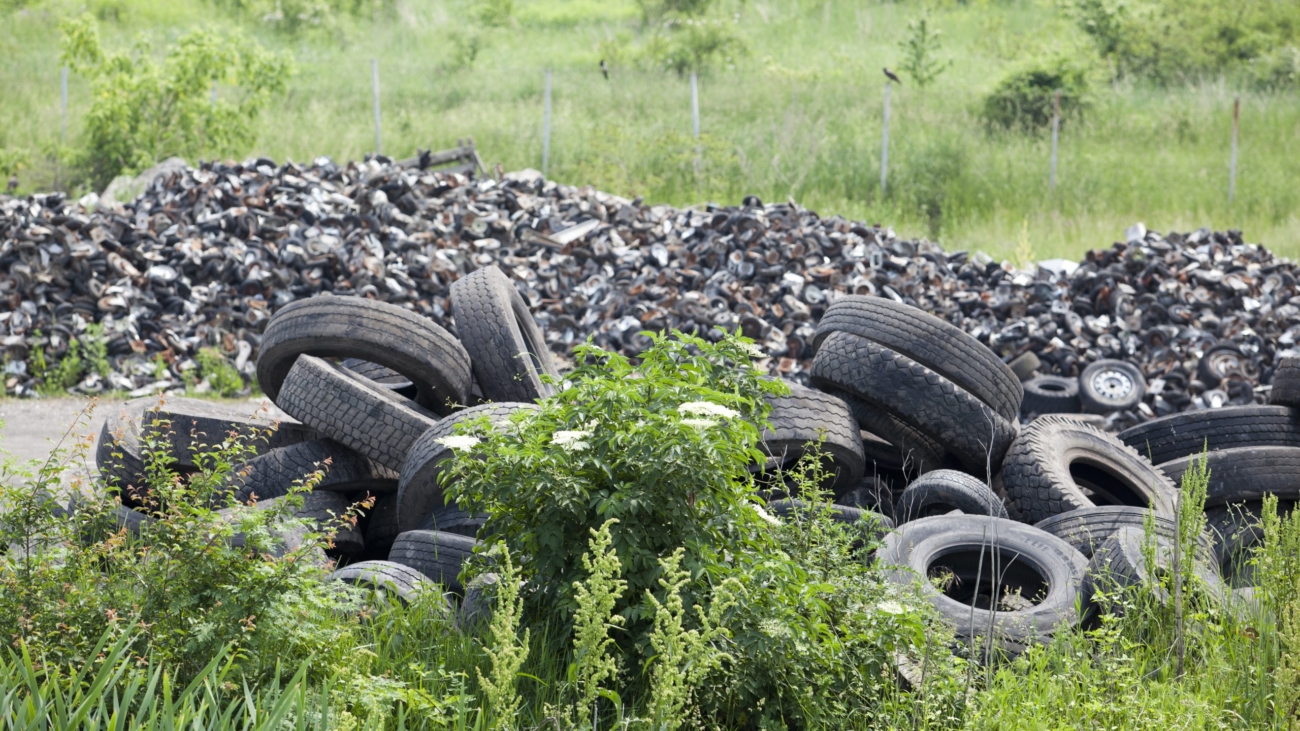
The disposal of tires presents serious environmental challenges. Each year, an estimated 290 million tires are discarded in U.S. landfills alone. Tires take up significant space, persist for decades, and are non-biodegradable, leading to landscape degradation and creating habitats for pests such as mosquitoes. Furthermore, improper disposal can result in leachate contamination and greenhouse gas emissions due to trapped methane gas.

Recycling and Sustainable Practices

Recycling tires is a crucial component in mitigating their environmental impact. Effective tire recycling processes can convert around 80% of discarded tires into reusable materials, significantly reducing landfill waste and greenhouse gas emissions compared to incineration. For instance, producing new products from recycled tires typically consumes 40% less energy than virgin materials. Moreover, tire production technology advancements, with their focus on reducing resource consumption and emissions, inspire hope for a more sustainable future. Modern practices can achieve up to a 30% reduction in resource use by utilizing recycled materials in new tire production, thereby lessening the demand for virgin resources. Embracing these technologies not only enhances the durability of tires but also promotes a more sustainable tire industry, giving us hope for a greener future.

The Importance of Proper Tire Disposal and Its Environmental Impact

When it comes to sustainability in the tire industry, one of the biggest challenges we face is the proper disposal of end-of-life tires. With over 300 million tires discarded annually in the U.S. alone, improper disposal can lead to significant environmental hazards. At TECH Tire Repairs, we are committed to not only providing high-quality tire repair solutions but also educating the industry on sustainable tire management.

The Environmental Impact of Improper Tire Disposal

Discarded tires pose serious environmental risks when not managed correctly. Here are some key concerns:

1. Fire Hazards – Tires are highly flammable, and tire fires can burn for extended periods, releasing toxic fumes into the air.

2. Mosquito Breeding Grounds – Tires collect water, creating an ideal environment for mosquitoes that carry diseases such as West Nile virus and Zika.

3. Landfill Overload—Tires, due to their durability and non-biodegradable nature, take up valuable landfill space and do not break down naturally.

4. Harmful Chemical Leaching – As tires degrade, they can release heavy metals and toxins into the soil and waterways, contaminating ecosystems and drinking water sources.

How Proper Tire Disposal Makes a Difference

The good news is that sustainable tire disposal practices can significantly reduce these risks and contribute to a healthier planet. Here’s how:

1. Tire Recycling & Repurposing—Many used tires can be shredded and repurposed into reimagined materials, such as rubberized asphalt, playground surfaces, athletic tracks, and even fuel alternatives.

2. Retreading & Repairing – Instead of disposing of tires prematurely, professional repairs and retreading can extend their lifespan, reducing overall waste.

3. Energy Recovery – Some facilities utilize waste tires as an energy source in cement kilns, paper mills, and industrial processes, reducing reliance on fossil fuels

4. Proper Collection & Disposal Programs – Local tire collection programs help ensure that used tires are directed to environmentally responsible facilities rather than illegal dumpsites.

What You Can Do to Help

If you’re in the tire business, a fleet manager, or simply a concerned consumer, here are some steps you can take to promote responsible tire disposal:

Support Tire Repair & Retreading: Extend tire life through professional repairs and retreading instead of premature replacement.
Partner with Reputable Recycling Centers: Ensure end-of-life tires are sent to certified recycling programs.
Educate Your Customers: Help spread awareness about the benefits of tire repair and proper disposal.
Advocate for Industry Initiatives: Support legislation and industry programs that promote sustainable tire management.

Proper tire disposal is not just an environmental issue—it’s a responsibility. By taking steps to repair, recycle, and dispose of tires responsibly, we can significantly reduce the industry’s environmental impact.

Tire Safety for Farming Equipment: What Every Farmer Needs to Know

Farming is more than hard work—it’s a way of life. To keep your farm running smoothly, your equipment must be reliable, durable, and safe. One key element that often gets overlooked? Tire safety. Whether working the fields or hauling heavy loads, tire safety is crucial to ensuring everything goes off without a hitch.

So, let’s discuss some practical, no-nonsense tips for keeping your tires in top shape so you can focus on what really matters—your farm.

1. Keep an Eye on Your Tires

Imagine you’re halfway through your day, the tractor humming, and then suddenly—thud—a flat tire. Now you’re stuck, losing precious time. Regularly inspecting your tires can help prevent these annoying (and costly) disruptions. Look for cracks, cuts, or even bulges that could spell trouble. If the treads are worn or if there’s uneven wear, it’s a sign that something’s off, whether it’s inflation issues or misalignment.

Quick Tip: Make tire checks part of your daily routine. A quick once-over before starting the day can save you a lot of headaches later.

2. Inflate, Inflate, Inflate

Tire inflation is a big deal. Underinflated tires? You’re looking at faster wear and higher fuel consumption—not to mention a greater blowout risk. Overinflated tires? Say goodbye to traction, which you don’t want when navigating uneven or muddy fields.

Quick Tip: Keep a tire gauge handy and make checking the pressure a habit. Adjust for the task at hand—what works on the road may not work in the field.

3. Don’t Overload Your Tires

It’s easy to overload your equipment when you’re in a rush. But remember, every tire has a limit. Pushing it beyond that can lead to severe damage, or worse—dangerous blowouts while you’re mid-task. Check your tire’s load capacity and ensure it’s up to the job.

Quick Tip: Always check your tire’s load rating. If you need more clarification, the info is usually on the tire itself or your equipment manual.

4. Treads Matter—A Lot

Ever feel like your tractor’s not gripping the ground the way it should? That’s your tread talking to you. Worn-out or shallow treads mean less traction, which is risky when dealing with uneven terrain or wet fields. The deeper the tread, the better your control.

Quick Tip: Monitor your tire tread depth and replace tires when needed. You’ll thank yourself next time you’re slogging through mud or working on a slope.

5. Use the Right Tires for the Job

Just like you wouldn’t use a wrench to hammer a nail, you shouldn’t use the wrong tires for your equipment. Fieldwork? Radial tires are probably your best bet—they give you better traction and are easier on your soil. Need durability on rough terrain? Bias-ply tires might be more up your alley.

Quick Tip: If you need help determining which tire works best for your tasks, chat with a tire expert. The correct tire can make all the difference.

6. Store Tires the Right Way

When your equipment isn’t in use, don’t just leave it out in the elements. Sun, moisture, and extreme temperatures can damage your tires over time. Keeping them in a cool, dry place can help extend their lifespan.

Quick Tip: Store spare tires upright and cover them to protect them from UV rays and moisture.

7. Alignment and Balance: The Unsung Heroes of Tire Health

Tire misalignment causes wear and tear, but it can also mess with your steering, making your equipment harder to control. Vibration? That could be a sign that your tires aren’t balanced properly.

Quick Tip: If your equipment starts pulling to one side or you feel unusual vibrations, it’s time for a check-up. A little maintenance now can prevent more significant problems later.

Why Tire Safety Matters

Here’s the bottom line: keeping your tires in good shape isn’t just about avoiding breakdowns—it’s about safety, efficiency, and getting the job done. Working on a farm means dealing with all sorts of challenging conditions—muddy fields, steep slopes, and heavy loads. The last thing you want is a tire failure in the middle of it all.

By following these simple tips, you’ll reduce the chance of accidents, extend the life of your tires, save on fuel, and keep your equipment running like a dream.

Keeping up with tire maintenance might seem like one more thing on an already full plate, but trust me—it’s worth it. Caring for your tires will keep your farm running smoothly, safely, and efficiently.

How Rubber Quality Affects Tire Performance and Safety

Tires are the only part of your vehicle that makes contact with the road, and the rubber that makes up those tires must be carefully engineered to handle a wide range of conditions while ensuring optimal performance and safety.

When it comes to tire performance and safety, the quality of the rubber used in manufacturing is one of the most critical factors. Tires are the only point of contact between a vehicle and the road, and the rubber that makes up those tires must be carefully engineered to handle a wide range of conditions while ensuring optimal performance and safety. In this post, we’ll look in-depth at how rubber quality impacts tire performance and safety and why it’s essential to understand this fundamental aspect of tire manufacturing.

The Importance of Rubber in Tire Manufacturing

Rubber is the primary material used in tires, and its properties directly affect the tire’s behavior on the road. High-quality rubber ensures that the tire can withstand the stresses and strains of everyday driving, from high-speed highway travel to the stop-and-go nature of city traffic. The rubber compound used in tire manufacturing must be carefully formulated to balance various characteristics, including flexibility, durability, and traction.

Key Properties of Tire Rubber

1.   Traction and Grip: One of the most important properties of tire rubber is its ability to provide adequate traction. The rubber compound determines how well a tire grips the road, particularly in wet or slippery conditions. High-quality rubber ensures the tire maintains sufficient friction to prevent slipping, reducing the risk of accidents.

2.   Durability: Tires are subjected to constant wear and tear, and the quality of the rubber plays a crucial role in how long a tire lasts. Inferior rubber may lead to faster degradation and more frequent tire replacements. High-quality rubber compounds are designed to resist wear, providing longer tire life and better value for money.

3.   Heat Resistance: As tires roll, they generate heat due to friction with the road. If the rubber compound can’t withstand high temperatures, the tire can overheat, leading to premature wear, blowouts, or fail. Rubber quality directly influences the tire’s ability to dissipate heat, ensuring safety at high speeds and in demanding driving conditions.

4.   Flexibility: Tire rubber must be flexible enough to adapt to different road surfaces and temperatures. High-quality rubber compounds retain their flexibility in extreme cold and heat, providing consistent performance throughout the tire’s life.

5.   Rolling Resistance: Rolling resistance is the force that opposes a tire’s motion as it rolls on a surface. High rolling resistance means the engine has to work harder, leading to increased fuel consumption. Rubber quality affects rolling resistance, and a well-engineered tire with low rolling resistance can improve fuel efficiency without compromising safety.

The Impact of Rubber Quality on Safety

Tire safety is directly linked to the quality of the rubber used. Here’s how:

1.  Braking Performance: High-quality rubber compounds allow for shorter stopping distances, especially in emergencies. A tire with inferior rubber may not provide the necessary grip, increasing the risk of collisions.

2.  Handling and Stability: The rubber compound largely determines a tire’s ability to maintain stability during cornering and adverse weather conditions. High-quality rubber enhances handling, making the vehicle more responsive and easier to control.

3.  Puncture Resistance: High-quality rubber is more resistant to cuts and punctures, reducing the likelihood of blowouts. This is particularly important for safety on rough or debris-strewn roads.

4.  Tread Wear Indicators: Many high-quality tires have built-in tread wear indicators. These indicators are made from rubber compounds that change color or texture as the tire wears down, giving drivers a clear signal when it’s time to replace their tires.

The Importance of Quality Rubber Repairs

While having high-quality tires is crucial, maintaining them with quality rubber repairs is equally important to ensure ongoing safety and performance. Here’s why:

1.  Restoring Integrity: When a tire suffers a puncture or damage, the quality of the repair is vital to restoring the tire’s original performance characteristics. High-quality rubber repairs use materials that closely match the original tire compound, ensuring the repair integrates seamlessly with the rest of the tire. This is crucial for maintaining the tire’s integrity, especially in high-stress areas like the sidewall or tread.

2.  Maintaining Safety: Poor-quality repairs can compromise the safety of a tire. For example, using substandard rubber patches or plugs may not bond well with the tire, leading to potential failures like leaks or blowouts under pressure. Quality rubber repairs, on the other hand, are designed to withstand the same conditions as the original tire, providing reliable performance and peace of mind.

3.  Prolonging Tire Life: Investing in quality repairs can extend the life of a tire, allowing it to perform safely for a longer period. This not only saves money in the long run by delaying the need for a new tire but also contributes to sustainability by reducing the number of tires that end up in landfills.

4.  Ensuring Consistent Performance: A well-repaired tire should perform just as well as it did before the damage occurred. High-quality rubber repair materials ensure that the tire’s traction, handling, and braking performance remain consistent, even after repair. This is particularly important for maintaining vehicle stability and control in various driving conditions.

When selecting tires, it’s essential to consider the quality of the rubber used in their construction. High-quality rubber not only extends the life of the tire but also enhances performance and, most importantly, ensures safety on the road. Equally important is choosing quality rubber repair products and services to maintain your tires over time. By understanding the impact of rubber quality on both new tires and repairs, consumers can make informed decisions that lead to safer, more efficient driving experiences.

Whether you’re a daily commuter, a long-distance traveler, or an off-road enthusiast, the rubber quality of your tires and the repairs they receive should never be overlooked. Remember, your tires are the foundation of your vehicle’s safety, and investing in quality means investing in peace of mind on every journey.

June is Tire Safety Month: Keeping Our Tires in Top-Notch Condition

June is here, and with it comes Tire Safety Month—a time dedicated to ensuring that our tires are in top-notch condition for safe and efficient travel.  At Tech Tire Repairs, we are passionate about tire safety and proper tire repair. Whether you’re an everyday driver, a tire technician, or a fleet operator, tire safety is paramount. Here’s a quick guide to help you stay safe on the road.
For the Average Driver

Regular Tire Inspections:

Visual Checks: Look for visible signs of damage, such as cuts, punctures, or cracks.
Tread Depth: Use the penny test to check tread depth. Insert a penny into the tread groove with Lincoln’s head facing down. If you can see the top of Lincoln’s head, it’s time to replace your tires. This is because the tread depth is less than 2/32″, which is the legal minimum in most states. Use a tread depth gauge to ensure your tires have at least 5/32″ depth, which is the recommended minimum for safe driving.
Tire Pressure: Even if your vehicle is equipped with TPMS, it is important to manually check your tire pressure using a high-quality gauge or inflator. Sensors can fail, and some tire monitoring systems only detect rapid pressure drops. Therefore, a subtle drop in PSI due to a temperature change may not set off your TPMS warning light. Check your tire pressure monthly. Proper inflation is crucial for safety, fuel efficiency, and tire longevity. Underinflated tires can lead to poor handling and increased risk of a blowout, while overinflated tires can cause a harsh ride and increased risk of hydroplaning. Refer to your vehicle’s manual for the recommended pressure levels. You can also find this information on the manufacturer’s sticker on the frame inside your door.

Balancing and Alignment:

Misaligned wheels or unbalanced tires can lead to uneven wear and reduce tire lifespan. Balancing refers to the distribution of weight around the tire and wheel assembly, while alignment refers to the adjustment of the suspension system, which affects how the tires make contact with the road. Have your alignment and balance checked every 6,000 miles or if you notice uneven tire wear or vibration.

Rotate Your Tires:

Regular tire rotation helps ensure even wear and extends tire life. This is because the front and rear tires of a vehicle perform different tasks, which can lead to uneven wear. By rotating the tires, you can distribute this wear more evenly, which can help them last longer. It’s recommended to rotate your tires every 5,000 to 7,000 miles. Please take it to your local shop to ensure the work is done correctly. Need help finding a shop? We have a list of TECH Preferred Shops that utilize TECH products to ensure you have a quality repair that is done properly and will last.

For the Tire Technician

Professional Inspections:

Utilize the basics as well as advanced diagnostic tools, such as tread depth gauges, tire pressure monitoring systems, and infrared thermometers, to detect issues that might not be visible to the naked eye. Ensure that every tire is thoroughly inspected for any signs of wear and damage.

Proper Repair Techniques:

Follow industry standards for tire repairs. Always remove the tire from the rim to inspect for internal damage before repairing. You can learn more through TECH University or getting on our training schedule by contacting us.

Customer Education:

Educate customers about the importance of tire maintenance and provide them with tips and resources to help them understand the importance of tire safety.

Keeping Up with Technology:

Stay updated with the latest tire technologies and tools. Modern advancements in tire pressure monitoring systems (TPMS) and advanced tread designs can significantly enhance tire safety and performance.

For the Fleet Operator

Tire Management Systems:

Implement tire management systems, including regular inspections, maintenance schedules, and real-time monitoring, to ensure tire health and performance. These systems can help you track the condition of your tires, schedule maintenance tasks, and detect issues before they become critical. This can help you reduce downtime, extend tire life, and improve overall fleet safety and efficiency.

Training Programs:

Invest in training programs for drivers and maintenance staff to ensure they are knowledgeable about tire safety and best practices. We offer several kinds of hands on training classes in our training facility located in Johnstown, Ohio. We’d love to support your shop with training, repairs, and updated techniques.

Data-Driven Decisions: Harness the Power of Data for Proactive Tire Management

Utilize data analytics to track tire performance and predict potential issues before they become critical. This proactive approach can save money and enhance safety. Need help determining what is best for your fleet? We can help with that too; AMS is our sister brand that focuses on fleets and helps companies maximize performance, improve safety, and increase profit – all while driving sustainability forward.

Retreading and Recycling:

Consider retreading tires to extend their life and reduce costs. Ensure that used tires are disposed of properly to minimize environmental impact. When retread plants follow the proper process for retreads; they are giving new life to tires that were once thought of as “at the end of their life”.
Recycling tires allows the opportunity for them to be turned into new raw material. When left unchecked tires are a high risk of fire, toxic emissions, atmosphere and groundwater contamination, have poor biodegradability, and stagnation of rainwater along with insect proliferation: these are just some of the critical issues caused by tires that are not recycled correctly. Salvadori Recycling; another sister brand that specializes in recycling technologies to treat end of life tires and conveyor belts and turn what was once considered waste, into value. As a whole we want contribute to solving the problem of rubber waste, developing a sustainable and circular economy, improving environmental health.

Tire Safety Month reminds us of the crucial role that tires play in our safety and the performance of our vehicles.